
Blackjack cover play explained properly matters when you sit down with real money on the line. It is not a magic shield against the house edge, but a way to manage exposure when the cards turn cold. I have watched country managers at Unibet weigh risk controls before, and the same discipline applies here: know your stop point before the first hand lands. Below, we walk through what this tactic actually does, where it fits, and how to judge whether a table supports it.
What the tactic actually does
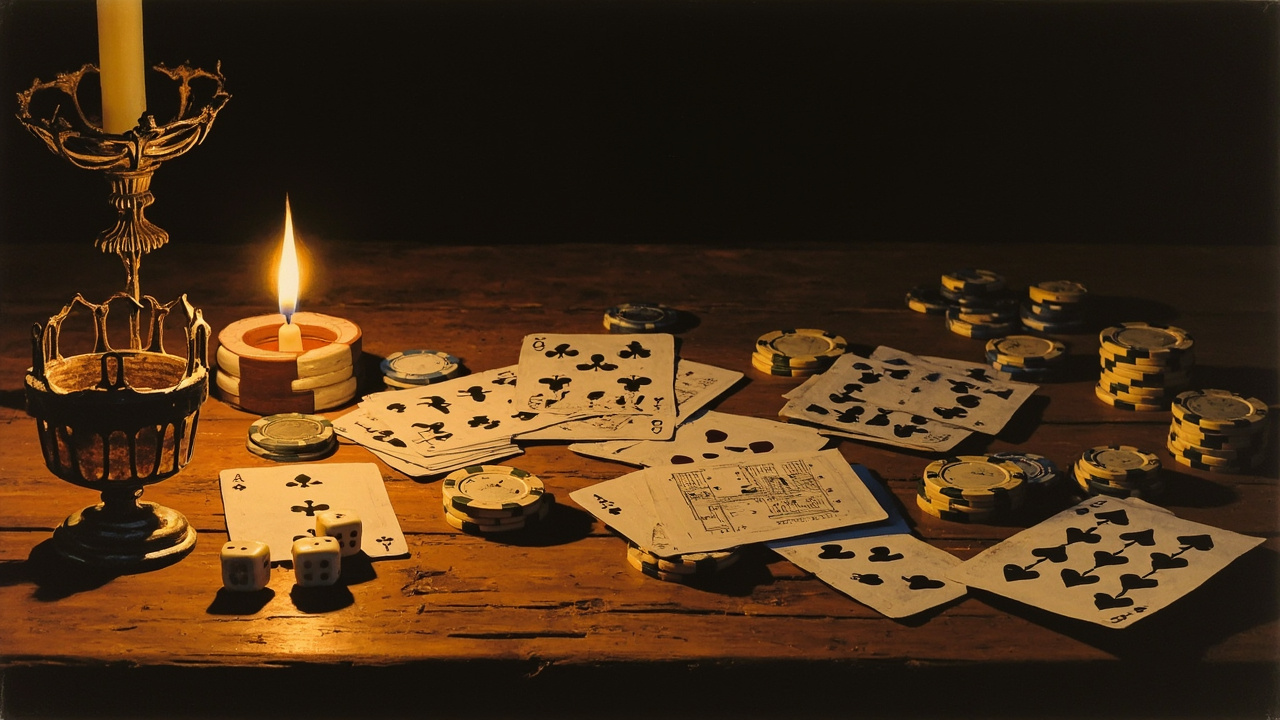
Cover play means placing a secondary bet to offset a primary wager, usually on a different outcome than the main hand. In blackjack, that often looks like a side bet or a secondary position that moves independently of your main line. The idea is simple: if the dealer catches a weak upcard, your main bet has a better path, and the cover bet can soften a bad run on the other side.
This is not card counting, and it does not bend the maths in your favour over time. The house still holds its edge, and the variance just gets spread across two positions instead of one. When I managed country-level accounts, we treated any tactic that claimed to neutralise risk as a red flag, because the numbers do not care about a clever narrative.
A few practical points to weigh before you try it:
- Check whether the cover bet pays independently or only when your main hand resolves a certain way.
- Confirm the table rules on doubling, splitting, and late surrender, since those shift the base edge more than any side wager.
- Decide your session limit in Australian dollars before you bet, so the cover bet is a tool, not a rescue plan.
If you are testing the waters on a new lobby, you can grab a heapsowins casino free chip and watch how the table behaves before you commit real cash. That gives you a clean read on pace, dealer speed, and whether the side bet feels like a genuine option or just a distraction.
Where it fits and where it does not
Cover play makes the most sense on tables with clear rules and steady pace, not on a lobby that is busy as a Saturday arvo at the races. The table below compares the kinds of setups where a secondary bet has a sensible role versus the ones where it just burns bankroll.
| Setup | Why cover play can work | Why it can misfire |
|---|---|---|
| Six-deck, dealer stands on soft 17 | Base edge is predictable, so a small secondary bet is easier to size | Side bets often carry a higher edge than the main game |
| Single-deck, player-friendly splits | Tight rules reduce variance on the main hand | Cover bets can clash with optimal basic strategy |
| Live dealer with steady shuffle | Pace is controlled, so you can track your exposure | Chat and pace can tempt you to overbet the cover line |
| Fast RNG with stacked bonuses | Quick hands suit a short, disciplined session | Bonus terms can restrict how side bets count toward playthrough |
I once sat through a backyard barbie where two mates hashed this out over a flat white, and it went something like this.
“So you reckon the cover bet actually helps?” one asked, stirring his coffee.
“Not really helps,” the other replied. “It just spreads the pain. You still lose the edge, but you do not get hammered on one bad streak.”
“Sounds like a way to stay at the table longer.”
“Exactly. That is the point. Not to win more, just to keep the session sane.”
That exchange captures the honest read: cover play is a pacing tool, not an income plan. Before legalisation, illegal “pokies” already operated in the back rooms of some Sydney clubs, and the same temptation shows up now when a side bet promises a quick pop. The discipline is to treat it like a seatbelt, not a turbo.
Lily Fraser, Managing Partner, Eucalypt Digital Advisory, puts it plainly: “Any secondary wager has to earn its place by matching the player’s actual risk tolerance, not by selling a story of balance.” Benjamin Reid, Compliance Director, Southern Reef Gaming, adds a sharper caveat: “If the cover bet’s terms are buried in the fine print, walk away; clarity matters more than a flashy payout table.” Those views line up with how I handled performance channels: if the mechanic is murky, the conversion is not worth the reputation hit.
Australia’s Group 1 races draw enormous on-track and online wagering, and that same crowd often drifts into table games looking for a similar thrill. The difference is that races reward timing and form, while blackjack rewards steady rules and a hard stop. “Poker After Dark” showcased late-night professional play, and the takeaway is not the glamour but the discipline: the players who last are the ones who know when to fold a bad session.
How to decide if it suits you
Player-fit comes down to three questions you should answer before you sit down. First, can you afford the variance of two active positions without chasing losses? Second, does the table’s rule set give your main hand a fair shot, or is the cover bet there to distract you from a weak base game? Third, are you playing for a short, controlled session or hoping a side bet carries you through a long night?
If the answer to any of those is shaky, the cover bet is probably not your play. A short list of checks helps keep the decision grounded:
- Set a hard loss limit in AUD and a time cap before you bet.
- Pick a table where the main game’s rules are clear and the side bet is optional, not bundled.
- Treat any bonus cash as a separate bucket with its own terms, not as a way to extend a losing cover line.
- Walk if the pace feels rushed or the dealer pushes you toward the secondary wager.
For players who want a structured lobby with a clean table mix, heapsowins can be worth a look because the positioning leans toward organised table and live content rather than a wall of slots. The game mix keeps table and live options easy to find, the providers are listed plainly, and the search tools help you land on a blackjack table without digging through a cluttered lobby. Registration is straightforward, payments sit in Australian dollars, and mobile play works without forcing you to relearn the layout. Support is reachable when you need it, and the loyalty side rewards steady play rather than pushing you toward bigger side bets.
That setup matters for cover play because a tidy lobby and clear table rules make it easier to size your bets and stick to your plan. When the lobby is organised and the table rules are visible, you can judge whether a secondary bet is genuinely optional or just a pressure play dressed up as a feature. heapsowins casino free chip
Blackjack cover play explained honestly is less about outsmarting the dealer and more about managing your own exposure. If you use it as a pacing tool on a clear table, with a hard stop and a realistic view of the edge, it can keep a session calmer. If you treat it as a shortcut to balance out bad cards, you will just pay for the lesson twice.